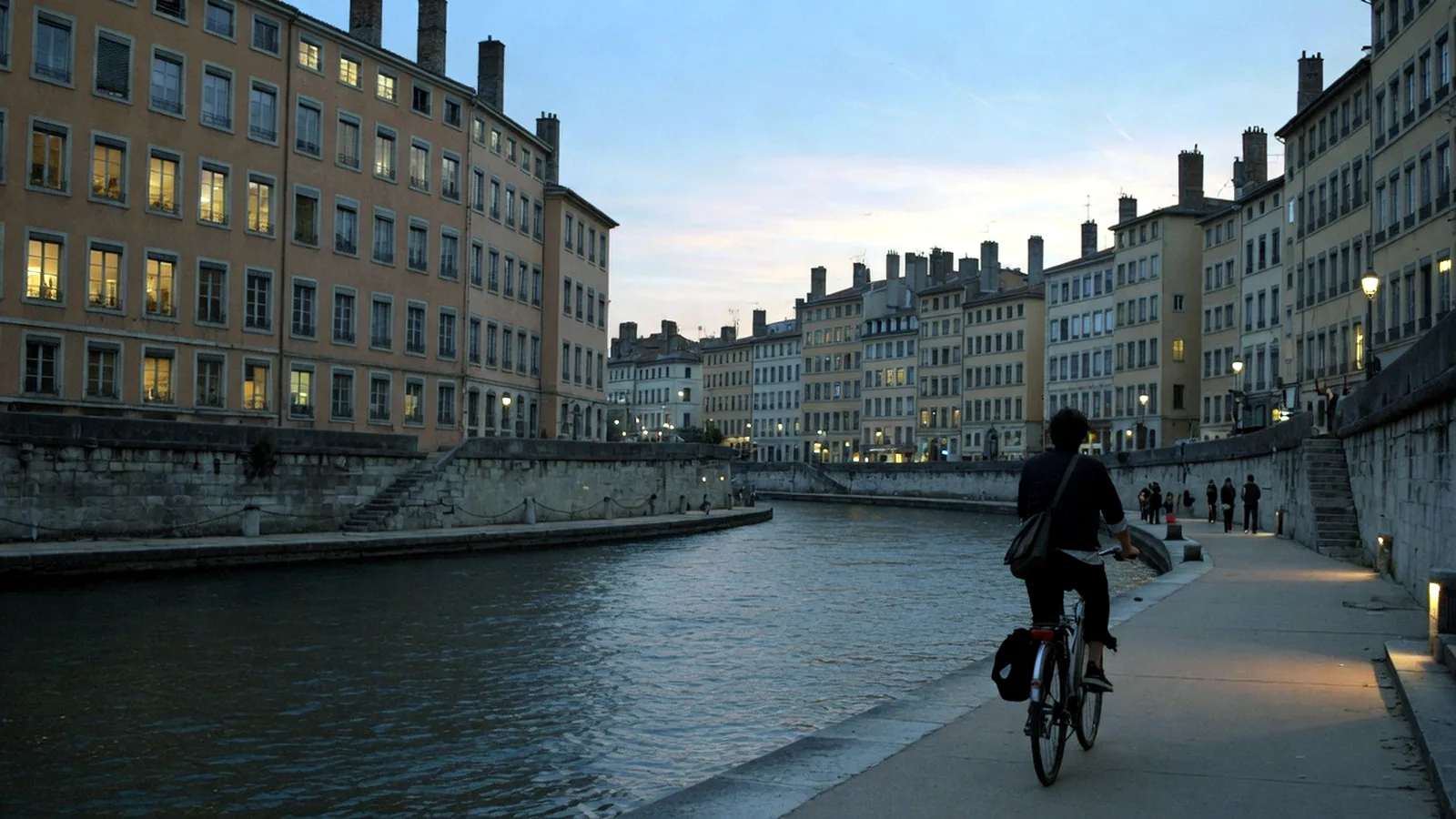
Sport in France is not merely recreation. It is a government ministry, a planning priority, a vehicle for social cohesion, and a regular source of national exhilaration and despair. The country has hosted the Summer Games three times (1900, 1924, 2024), the football world championship twice (1998, 2023 bid lost to Qatar), the rugby world championship (2007, 2023), and the Tour de France annually since 1903. Approximately 36 million French people hold a licence with a sports federation — in a population of 68 million.
The French Sporting Model
State Involvement
The French state is more directly involved in sport than in most Western countries. The Ministère des Sports (the Ministry of Sport — a full government ministry dedicated to sport policy and funding) controls policy, funding, and regulation. Key features:
- Federations — Each sport has a national federation (119 in total), delegated by the state to organise competition, select national teams, and develop the sport. The federations receive public funding in exchange for meeting policy objectives (youth participation, gender equity, anti-doping).
- Technical advisers — The state employs approximately 1,600 Conseillers Techniques Sportifs (state-employed coaches and technical advisers embedded in sports federations) (CTS) — high-level coaches placed within federations but paid by the Ministry. This is unique to France and ensures state influence over athlete development.
- INSEP — The Institut National du Sport, de l'Expertise et de la Performance (the elite national sports training centre in Paris), in the Bois de Vincennes, is France's elite training centre — comparable to the UK's Loughborough or Australia's AIS. Two-thirds of French international medallists train there.
The Funding Model
Local authorities (communes, departments, regions) spend approximately €12 billion annually on sport — building stadiums, subsidising clubs, and maintaining the 270,000+ sports facilities across France. This makes sport one of the largest items in local government budgets.
Major Events History
- 1900— Paris hosts the Summer Games (1900)
- 1903— First Tour de France
- 1924— Paris hosts the Summer Games (1924)
- 1938— football world championship in France
- 1960— First European Championship (hosted by France; France wins)
- 1984— European Football Championship (France wins, hosted by France)
- 1992— Albertville Winter Games
- 1998— football world championship (France wins — the Zidane moment)
- 2003— rugby world championship semi-final at Stade de France
- 2007— rugby world championship in France
- 2016— European Football Championship in France
- 2018— football world championship (France wins — Mbappé era)
- 2023— rugby world championship in France
- 2024— Paris Summer and Para Games
The Major Sports
Football
The dominant sport by participation (2.2 million licensed players), viewership, and cultural significance. Ligue 1 is the top professional league. The national team — Les Bleus (The Blues — the French national football team) — won the world championship in 1998 and 2018 and lost the 2022 final in a legendary match against Argentina. Football dominates French sports media, sports betting, and public conversation.
Rugby
Particularly strong in the south and southwest. The Top 14 is arguably the world's most competitive domestic rugby league. France has reached three rugby world championship finals (1987, 1999, 2011) without winning, though the 2023 home tournament re-energised the sport. Approximately 550,000 licensed players.
Cycling
The Tour de France is the world's most-watched annual sporting event (by roadside spectators). French professional cycling has experienced a long drought in the Tour (no French winner since Bernard Hinault in 1985), but cycling as recreation and transport is booming, driven by municipal bike-share schemes and post-COVID infrastructure investment.
Tennis
France hosts Roland-Garros (the French Open) — one of the four Grand Slams. French tennis has produced champions from Yannick Noah (1983 Roland-Garros) to Jo-Wilfried Tsonga and current stars. Approximately 1 million licensed players make it the third-largest federation.
Handball
France is the most successful men's handball nation in history: international champions (2008, 2012, 2024), World Champions (1995, 2001, 2009, 2011, 2015, 2017), European Champions (2006, 2010, 2014). Handball's professional league is strong, and the sport enjoys genuine mainstream popularity — unlike in most countries outside Scandinavia and Germany.
Other Major Sports
- Basketball — Growing rapidly, boosted by NBA stars of French origin (Tony Parker, Rudy Gobert, Victor Wembanyama).
- Judo — France has the most judokas outside Japan (~550,000 practitioners). Teddy Riner (3 international golds) is a national icon.
- Skiing — Alpine and Nordic. The French Alps host world championship events annually. France consistently finishes in the top 5 of Winter Games medal tables.
- Motor racing — Le Mans 24 Hours, the Monaco Grand Prix (technically), and a strong F1 heritage.
The 2024 Paris Games
The 2024 Games were held across Paris and regional venues (Tahiti for surfing, Marseille for sailing, Lille for handball). Distinctive features: the opening ceremony on the Seine, events at iconic locations (Beach Volleyball at the Eiffel Tower, Equestrian at Versailles), and a sustainability-focused approach (80% existing or temporary venues). France finished 5th in the medal table with 64 medals (16 gold).
The Games' legacy includes infrastructure improvements: metro extensions (Line 14, Line 15), the Athletes' Village (converting to 2,500 housing units in Saint-Denis), and a cleaned-up Seine (though permanent swimmability remained contentious).
Football — The beautiful game in France — Ligue 1, Les Bleus, and the football economy.
Cycling — The Tour de France and France's cycling culture.
On the ground
| Pin | Working note |
|---|---|
| Page | Sport in France: A National Obsession |
| Desk | Le Moteur |
| First use | Read the pins, then one related page — not five |
| Confirm | Official site or ticket desk the week you go |

The useful unit is one place or one question, not a fourteen-day montage of France. Sport in France: A National Obsession sits in a country that is easy to over-plan and easy to under-prepare. The sport layer is where visitors collect names. This page is the opposite: what to do first, what to skip, and which sibling guide holds the rest.
France rewards a slow unit. One arrondissement, one valley, one appellation, one park trail. The photograph of five landmarks in five days is a real holiday, and it is also a queue with a passport. If you only have three nights, spend two of them in the same bed. The third night is for a train, not a third hotel.
Working a visit
Practical France is sockets (Type E/F, 230 V), tap water that is safe, pharmacies that are the real clinic for minor trouble, and a lunch hour that still closes a village. Cards work in cities. Cash still opens some park kiosks, some island boats, and some market stalls that have never seen contactless. A lightweight adapter belongs in the personal item, not the hold.
We will not write as if every reader is on a gap year, or as if every reader is in a palace hotel. We will not flatten 'the south' into one climate. We will not treat a strike day, a jour férié, or a Tuesday museum closure as a personality quirk of the French. They are calendars. Check them. Then use Sport in France: A National Obsession as a pin, not as scripture.
Cross the five guides instead of cloning them. La Porte holds trains and the first week. La Terre holds weather and park gates. L'Esprit holds museum Tuesdays and the Revolution. La Table holds the market morning and the wine list. Le Moteur holds the Tour, the working week, and why August is empty in Paris and full on the coast.