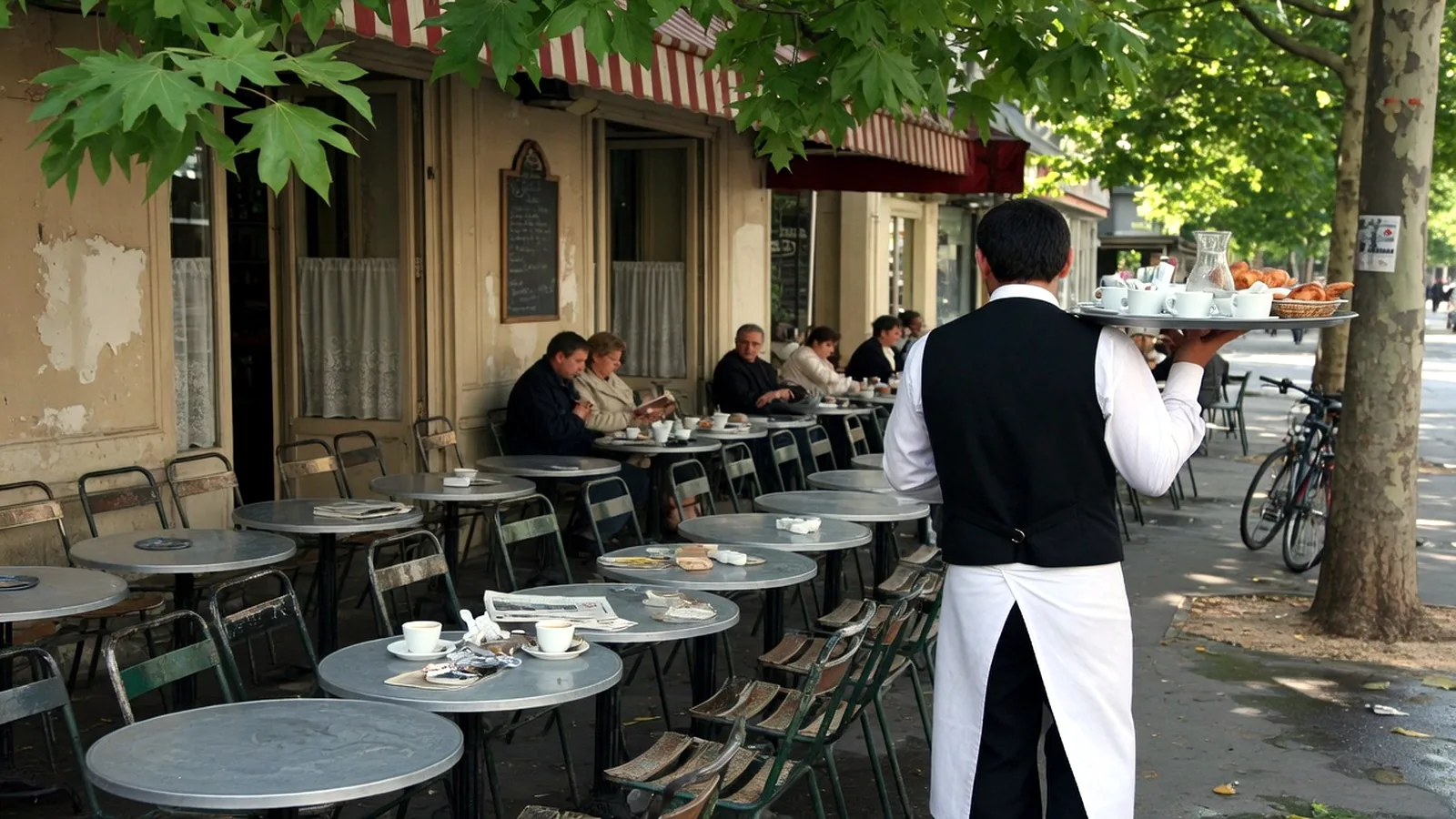
France is, depending on the year, the world's first or second-largest wine producer (alternating with Italy) and consistently the largest by export value. Wine and spirits exports total approximately €16 billion annually — making them one of France's top export categories, ahead of pharmaceuticals and behind only aerospace. Approximately 750,000 people work in the French wine and spirits chain. The sector accounts for approximately 0.7% of GDP — modest in absolute terms, but enormously significant culturally and in terms of regional economies.
This is where terroir meets spreadsheets.
The Numbers
The Appellation System
The Appellation d'Origine Contrôlée (Controlled Designation of Origin — the system certifying that a wine is from a specific region and meets defined production standards) (AOC, now officially AOP under EU terminology) system is the foundation of French wine's value proposition. Created in 1935 (building on earlier informal systems), it certifies that a wine comes from a specific geographic area, uses approved grape varieties, and meets defined production standards (yields, alcohol levels, winemaking practices).
France has approximately 380 wine AOCs, organised hierarchically:
- Regional — e.g., Bordeaux, Bourgogne, Côtes du Rhône (broad regions, higher volumes, lower prices)
- Communal — e.g., Margaux, Gevrey-Chambertin, Châteauneuf-du-Pape (single communes, more specific)
- Premier Cru / Grand Cru — e.g., Chambertin, Montrachet, Romanée-Conti (individual vineyards, the pinnacle)
The system is managed by INAO (Institut National de l'Origine et de la Qualité (the National Institute for Origin and Quality — the body overseeing AOC/AOP certifications)).
The Economic Logic
The AOC system is fundamentally an economic mechanism: it creates brand value through controlled scarcity and certified quality. A bottle of generic Bordeaux might sell for €5; a bottle from Saint-Émilion Grand Cru for €30; a bottle from a classified growth of Pauillac for €200+. The geographic and quality hierarchy creates a price pyramid that rewards investment in specific terroirs.
The Wine Regions as Economies
Bordeaux
The world's most commercially organised wine region. Approximately 5,800 châteaux, 110,000 hectares. The classification system (1855 for the Médoc, 1955 for Saint-Émilion) creates a formal hierarchy. The first growths — Lafite, Latour, Mouton, Margaux, Haut-Brion — are luxury commodities traded at £500+ per bottle on the secondary market. The Place de Bordeaux (the Bordeaux market system — négociants who buy, blend, and distribute wine from châteaux) (the négociant system) is the industry's primary distribution mechanism for premium wines worldwide.
Bordeaux faces challenges: oversupply in the generic tier, declining domestic demand, and competition from New World wines. The EU has funded vine-pulling schemes to reduce area.
Champagne
The most commercially valuable wine region per hectare. Annual sales: ~€6 billion. Approximately 300 million bottles produced annually. The grandes maisons (the great Champagne houses — LVMH's Moët, Veuve Clicquot, Dom Pérignon, Krug, plus independents) (Moët & Chandon, Veuve Clicquot, Dom Pérignon, Krug — all LVMH — plus Taittinger, Laurent-Perrier, Roederer) dominate exports, but approximately 5,000 récoltants-manipulants (grower-producers who grow grapes and make wine on their own estate) (grower-producers) produce estate Champagne of often exceptional quality.
Burgundy
The smallest major region by volume but the highest by price per bottle. Grand Cru Burgundy (Romanée-Conti, Chambertin, Musigny, Montrachet) has experienced extraordinary price inflation: auction prices have increased 300–500% in a decade for top bottles. The region's tiny vineyard parcels (many Grand Cru vineyards are under 10 hectares, split among dozens of owners) create genuine scarcity.
Industry Structure
Cooperatives
Approximately 40% of French wine is produced by cooperatives (caves coopératives (wine cooperatives — collective wineries where growers pool grapes)). These are particularly important in southern France (Languedoc, Rhône, Provence), where small growers lack the capital for individual winemaking facilities. Cooperatives range from basic bulk producers to ambitious quality-focused operations.
Négociants and Consolidation
The négociant model — buying wine or grapes from growers, blending, and selling under their own brand — is traditional in Bordeaux and Burgundy. Modern consolidation has created large groups: Castel (France's largest wine company by volume), Grands Chais de France, Les Grands Chais de France, and international players like Moët Hennessy (LVMH) and Pernod Ricard.
The Direct-to-Consumer Shift
E-commerce and direct sales (from domaine to consumer) have grown significantly, especially since COVID. Platforms like Vivino, wine subscriptions (Le Petit Ballon), and domaine websites have reduced traditional distribution dependencies. However, the on-trade (restaurants, bars, hotels) remains crucial for premium wines.
Challenges
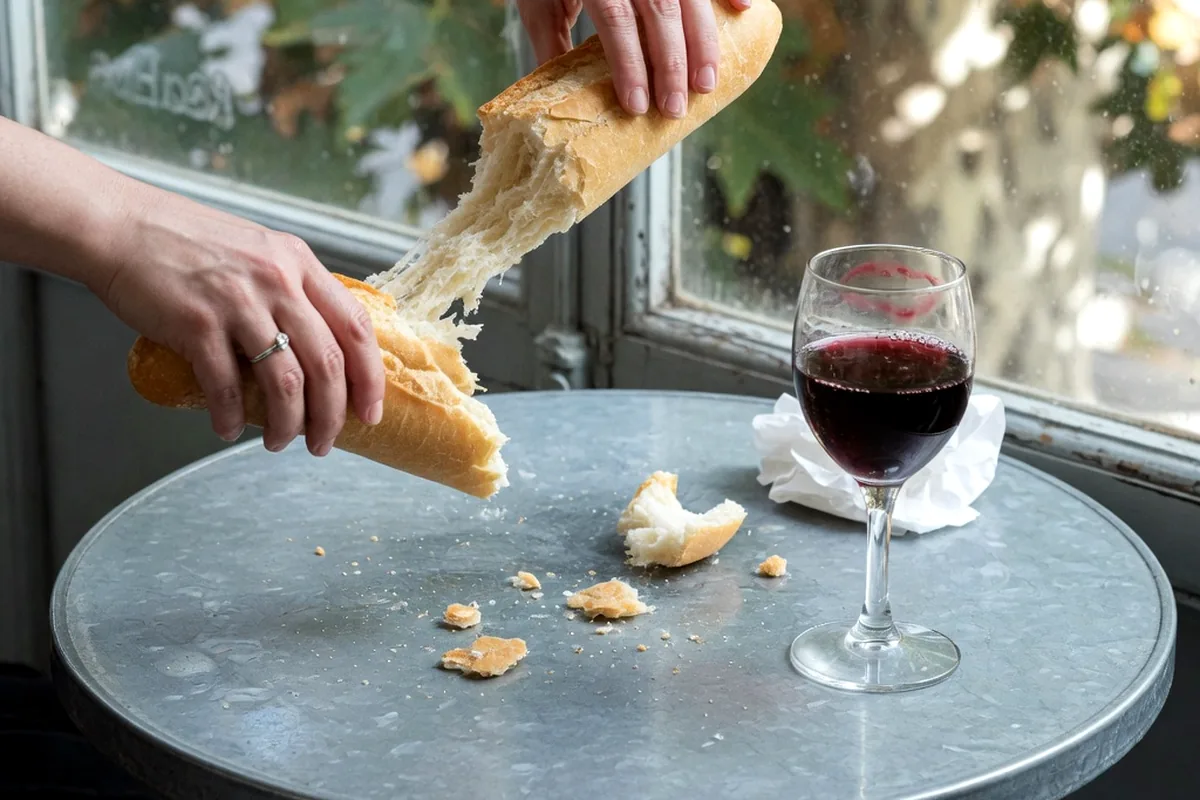
- Declining domestic consumption — French per-capita wine consumption has fallen from 100+ litres/year in the 1960s to approximately 40 litres today. Health campaigns, changing lifestyles, and competition from beer, spirits, and soft drinks have all contributed.
- Climate change — Harvest dates have advanced by 2–3 weeks since the 1980s. Heat stress, drought, and extreme weather are increasing. Some regions are testing grape varieties previously associated with warmer climates.
- New World competition — Australian, Chilean, Argentine, and South African wines compete aggressively on price in the €5–15 segment.
- Overproduction — The Languedoc and parts of Bordeaux have chronic oversupply. EU-funded vine-pulling reduces acreage but disrupts livelihoods.
Wine — The wine culture, tasting traditions, and regional profiles.
Agriculture — Wine within the broader French agricultural economy.
On the ground
| Pin | Working note |
|---|---|
| Page | Wine as Industry: The Business of French Wine |
| Desk | Le Moteur |
| First use | Read the pins, then one related page — not five |
| Confirm | Official site or ticket desk the week you go |


Hours, fares, and festival weeks move. A 2024 caption is not a 2026 desk. Wine as Industry: The Business of French Wine sits in a country that is easy to over-plan and easy to under-prepare. The resources layer is where visitors collect names. This page is the opposite: what to do first, what to skip, and which sibling guide holds the rest.
France rewards a slow unit. One arrondissement, one valley, one appellation, one park trail. The photograph of five landmarks in five days is a real holiday, and it is also a queue with a passport. If you only have three nights, spend two of them in the same bed. The third night is for a train, not a third hotel.
Working a visit
Practical France is sockets (Type E/F, 230 V), tap water that is safe, pharmacies that are the real clinic for minor trouble, and a lunch hour that still closes a village. Cards work in cities. Cash still opens some park kiosks, some island boats, and some market stalls that have never seen contactless. A lightweight adapter belongs in the personal item, not the hold.
We will not write as if every reader is on a gap year, or as if every reader is in a palace hotel. We will not flatten 'the south' into one climate. We will not treat a strike day, a jour férié, or a Tuesday museum closure as a personality quirk of the French. They are calendars. Check them. Then use Wine as Industry: The Business of French Wine as a pin, not as scripture.
Cross the five guides instead of cloning them. La Porte holds trains and the first week. La Terre holds weather and park gates. L'Esprit holds museum Tuesdays and the Revolution. La Table holds the market morning and the wine list. Le Moteur holds the Tour, the working week, and why August is empty in Paris and full on the coast.