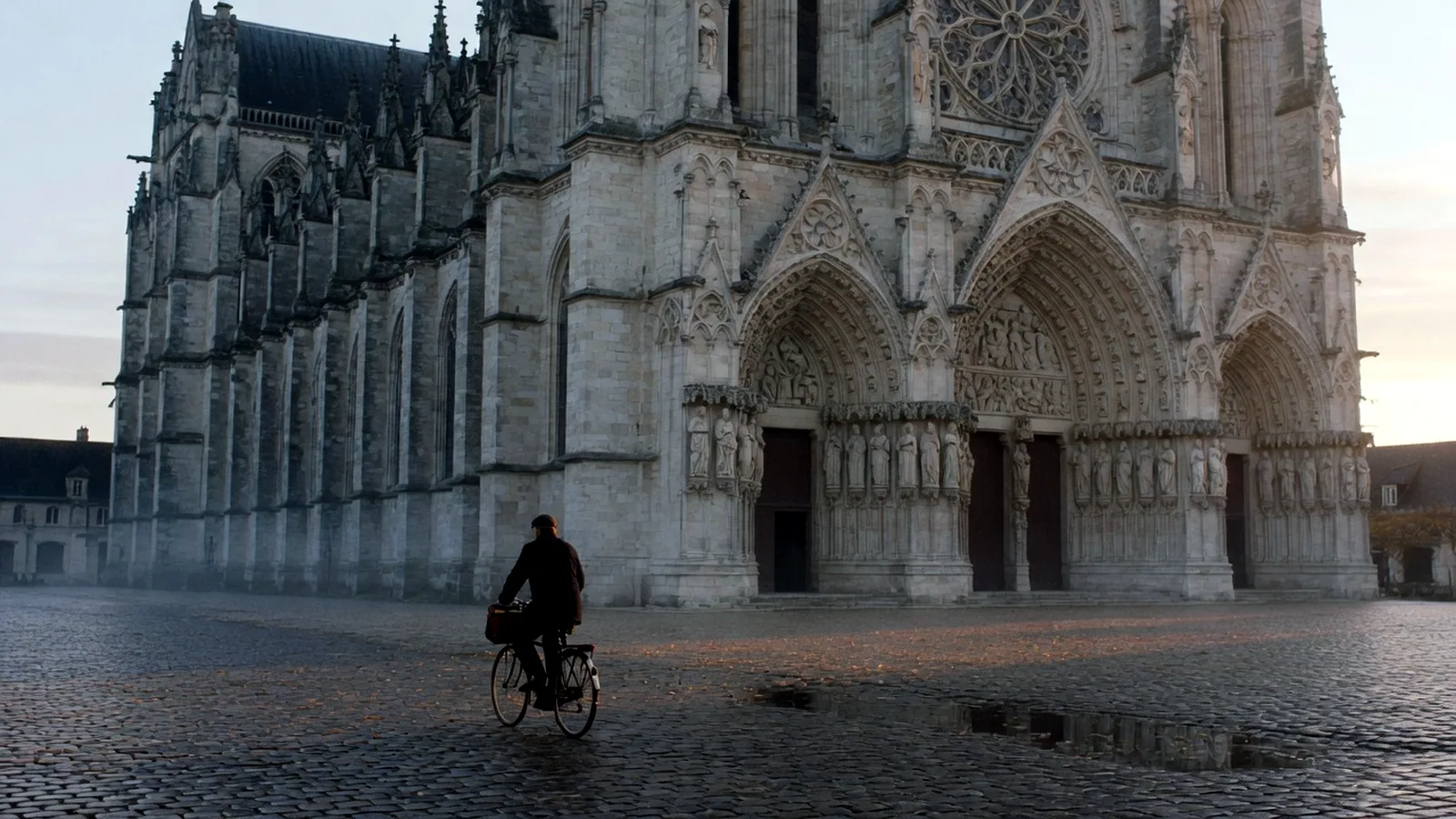
Organised professional sport captures the headlines, but the way the French actually spend their leisure time is more varied, more outdoor, and more quietly embedded in daily life. Approximately 65% of French adults practise at least one physical activity regularly. The most popular activities are not competitive sports at all — they are walking, swimming, cycling, and fitness/gym activities.
France's geography — mountains, coastlines, forests, rivers, temperate climate — makes outdoor recreation not just accessible but irresistible.
Hiking and Walking
La randonnée (hiking — France's most popular outdoor activity) is France's most participated outdoor activity. The Fédération Française de la Randonnée Pédestre (FFRandonnée) maintains over 180,000 km of marked trails, classified into three categories:
- GR (Grande Randonnée (long-distance footpath)) — Long-distance trails marked in red and white. Over 60,000 km. Famous routes include the GR20 (Corsica — considered Europe's toughest trail), GR10 (Pyrenees coast to coast), GR5 (Lake Geneva to Nice through the Alps), and GR34 (the Brittany coastal path).
- GRP (Grande Randonnée de Pays (regional loop trails)) — Regional loop trails, marked in red and yellow.
- PR (Promenade et Randonnée (short walks and day hikes)) — Local walks, marked in yellow.
Equestrian Sports
France has the third-largest horse population in Europe and the largest equestrian federation in the world by licensed members: approximately 650,000 (more than in the US or UK). The Fédération Française d'Équitation (French Equestrian Federation) (FFE) oversees 7,000+ riding schools and clubs. Horse riding in France is primarily a youth and women's activity — approximately 85% of licensed riders are female, and most are under 18.
The national stud system (Haras nationaux (national stud farms — state-managed breeding centres), now IFCE) has managed horse breeding since the 17th century. Racing — both flat and trotting — is significant: the Prix de l'Arc de Triomphe (Longchamp, Paris) is one of the world's richest and most prestigious horse races.
Hunting
La chasse (hunting — a deeply traditional and politically contentious French activity) is more popular in France than in any other Western European country. Approximately 1 million French people hold a hunting licence (down from 1.8 million in the 1970s). Hunting is culturally embedded in rural France, economically significant (€3 billion+ annually), and politically explosive.
The hunting season (September to February, varying by species and département) brings hunters into direct conflict with hikers, ramblers, and environmental groups. Hunting accidents (approximately 80 per year, including fatalities) generate regular calls for stricter regulation. Successive governments have balanced between urban environmental opinion and the rural hunting lobby — the latter represented by the powerful Fédération Nationale des Chasseurs (National Hunters' Federation) (FNC).
Traditional hunting practices unique to France include la chasse à courre (hunting with hounds — traditional mounted hunt, still legal in France) (mounted hunting with dogs, still legal in France though banned in the UK since 2004) and la chasse à la palombe (pigeon hunting — a traditional southwest practice using nets and decoys) (wood-pigeon hunting in the Pyrenees foothills, a regional obsession in the southwest).
Swimming and Water Activities
France has approximately 6,300 public swimming pools — one of the highest densities in Europe. Municipal pools (piscines municipales (public swimming pools run by local government)) are heavily subsidised: entry typically costs €3–5. Outdoor swimming is popular in summer: lakes, rivers, and the Mediterranean and Atlantic coasts draw millions. The baignade (swimming in natural water — rivers, lakes, the sea) culture is particularly strong in the south.
Fishing
Recreational fishing (la pêche (fishing)) claims approximately 4 million participants. River fishing requires a licence (€70–100/year) purchased from the departmental fishing federation. France's rivers — the Loire, the Dordogne, the Allier, the Rhône — offer trout, salmon, pike, and carp fishing. Sea fishing from the coast requires no licence.
The garde-pêche (fisheries warden) system monitors catches and enforces regulations. Catch-and-release is increasingly practised but is not culturally dominant the way it is in the UK or US — French anglers traditionally keep and eat their catch.
The Sporting Association Model
French recreational sport is organised through the association loi 1901 (the standard French non-profit association — the legal basis for sports clubs) system. There are approximately 360,000 sports associations in France — from village pétanque clubs to metropolitan football academies. Local authorities (communes, départements) subsidise these associations through facility access, grants, and salary support for coaches.
This creates an extraordinarily dense network of community sport infrastructure that is the backbone of French physical activity. The model depends on volunteers: approximately 3.5 million people volunteer in sports associations, coaching, organising, and administering.
Nature & Landscapes — The natural environment that makes French outdoor recreation so varied.
Pétanque — France's most democratic recreational game.
On the ground
| Pin | Working note |
|---|---|
| Page | Recreational Activities in France: How the French Play |
| Desk | Le Moteur |
| First use | Read the pins, then one related page — not five |
| Confirm | Official site or ticket desk the week you go |

Hours, fares, and festival weeks move. A 2024 caption is not a 2026 desk. Recreational Activities in France: How the French Play sits in a country that is easy to over-plan and easy to under-prepare. The sport layer is where visitors collect names. This page is the opposite: what to do first, what to skip, and which sibling guide holds the rest.
France rewards a slow unit. One arrondissement, one valley, one appellation, one park trail. The photograph of five landmarks in five days is a real holiday, and it is also a queue with a passport. If you only have three nights, spend two of them in the same bed. The third night is for a train, not a third hotel.
Working a visit
Practical France is sockets (Type E/F, 230 V), tap water that is safe, pharmacies that are the real clinic for minor trouble, and a lunch hour that still closes a village. Cards work in cities. Cash still opens some park kiosks, some island boats, and some market stalls that have never seen contactless. A lightweight adapter belongs in the personal item, not the hold.
We will not write as if every reader is on a gap year, or as if every reader is in a palace hotel. We will not flatten 'the south' into one climate. We will not treat a strike day, a jour férié, or a Tuesday museum closure as a personality quirk of the French. They are calendars. Check them. Then use Recreational Activities in France: How the French Play as a pin, not as scripture.
Cross the five guides instead of cloning them. La Porte holds trains and the first week. La Terre holds weather and park gates. L'Esprit holds museum Tuesdays and the Revolution. La Table holds the market morning and the wine list. Le Moteur holds the Tour, the working week, and why August is empty in Paris and full on the coast.