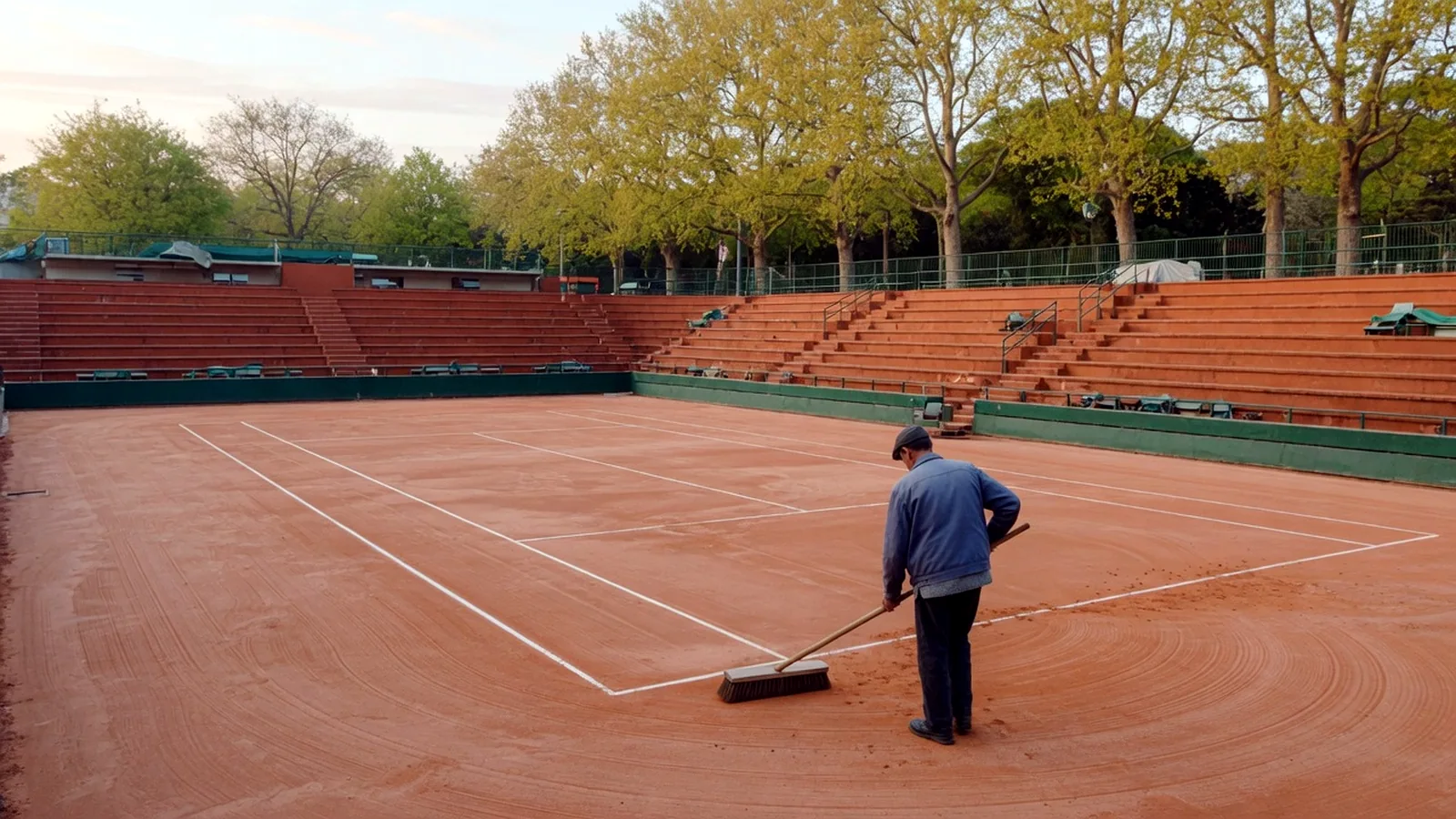
Agriculture accounts for roughly 2% of French GDP. This figure is wildly misleading. Agriculture is the foundation of France's food culture, its largest land use (~50% of metropolitan territory), a major export industry, the recipient of approximately €9 billion annually in EU subsidies, and the sector most capable of paralysing the country when its practitioners are displeased. No sector in France punches so far above its GDP weight.
France is the EU's largest agricultural producer by value (~€85 billion at farm gate) and the world's sixth-largest agricultural exporter. Its farmers produce more wheat, more wine, more sugar beet, and more cattle than any other EU member state.
What France Grows
| French Agricultural Production | Detail |
|---|---|
| Wheat — ~35 million tonnes/year. 5th largest global exporter. The Beauce plain south of Paris is Europe's breadbasket. | |
| Wine grapes — ~45 million hectolitres. 2nd largest global producer (after Italy). | |
| Sugar beet — Europe's largest producer. The Picardy region dominates. | |
| Maize — ~12 million tonnes. Feed and food. | |
| Barley — ~12 million tonnes. Brewing and animal feed. | |
| Rapeseed/sunflower — Major oilseed producer. | |
| Fruit & vegetables — Apples (3rd in EU), potatoes, tomatoes, lettuce. | |
| Cattle — ~18 million head. France has the EU's largest cattle herd. Charolais, Limousin, and Blonde d'Aquitaine are the prestige breeds. | |
| Dairy — ~24 billion litres of milk/year. Essential for cheese, butter, and powder exports. | |
| Poultry — ~700 million birds/year. Bresse chicken holds AOC status. | |
| Pigs — ~23 million head. Brittany is the centre. | |
| Sheep — ~7 million head. Roquefort production depends on Lacaune ewes' milk. | |
| Goats — ~1.3 million. Loire Valley, Poitou-Charentes. Goat's cheese production. |


Farm Structure
The Landscape
France has approximately 390,000 farms, down from over 1.5 million in 1970. The trend is universal in developed economies: fewer, larger, more productive farms. The average French farm is approximately 70 hectares — larger than the European average but smaller than the UK or US.
The structure varies dramatically by region:
- Northern France (Île-de-France, Picardy, Beauce) — Large-scale arable farming. Cereals, sugar beet, oilseeds. Farms of 200+ hectares.
- Western France (Brittany, Normandy, Pays de la Loire) — Intensive livestock and dairy. Smaller farms, higher density.
- Southern France (Languedoc, Provence, Aquitaine) — Wine, fruit, vegetables, olive oil. Smaller holdings, higher-value crops.
- Mountain regions (Alps, Pyrenees, Massif Central, Jura) — Extensive grazing, cheese production. Small farms, often AOP-focused.
The Social Question
French farming faces an existential demographic crisis: the average farmer is over 55, and one in three farms will lack a successor within a decade. Young entrants face land prices, debt, and regulatory complexity that deter all but the most determined. The installation (the process of establishing oneself as a farmer — a major policy focus) of new farmers is a constant policy concern, with subsidised loans and training programmes attempting to counteract the trend.
Farmer income varies enormously. Cereal farmers in the Beauce are prosperous. Dairy farmers in Brittany operate on razor-thin margins. Livestock farmers in the mountains may earn below minimum wage equivalent. The income volatility — driven by commodity prices, weather, and disease — produces genuine hardship and explains the intensity of French agricultural protest.
The Common Agricultural Policy (CAP)
France receives approximately €9 billion annually from the EU's CAP — the largest national allocation. This figure shapes French agricultural politics entirely:
- Pillar 1 (direct payments): ~€7 billion. Per-hectare payments to farmers, decoupled from production. Larger farms receive more.
- Pillar 2 (rural development): ~€2 billion. Environmental schemes, modernisation grants, support for disadvantaged areas.
France has been the CAP's most vigorous defender since its creation in 1962. Any reform that reduces French allocations meets immediate and fierce resistance. The CAP is not merely a subsidy programme but a pact between the French state and its farmers: in exchange for political loyalty and food security, the state guarantees income support.
Wine as Agriculture
Wine deserves special mention because it is simultaneously agriculture, industry, culture, and luxury export. France's 750,000 hectares of vineyards (roughly 10% of the global total) produce wine worth approximately €12 billion at the farm gate and generate €16 billion in exports. The wine sector employs approximately 500,000 people directly and indirectly, making it one of France's most important agricultural employers.
Organic Farming
The agriculture biologique (organic farming — certified under the AB label) sector is growing rapidly:
- Organic farmland has tripled since 2010, reaching approximately 2.8 million hectares (10% of total agricultural land).
- France is now Europe's largest organic market by revenue.
- Government targets aim for 18% organic farmland by 2027.
- Consumer demand drives growth: organic products represent approximately 7% of food purchases.
The transition is not smooth. Organic farming requires higher labour input, yields are lower (at least initially), and certification is a multi-year process. But the momentum is real, driven by consumer demand, environmental policy, and a genuine shift in farming culture.
Agricultural Protests
French farmers protest with a frequency and intensity unmatched in Europe. Tractors blocking autoroutes, manure dumped at government buildings, and opérations escargot (go-slow operations — tractors driving at walking pace to block roads) on highways are annual events. The protests work: French governments routinely capitulate to farmer demands in ways that would astonish other sectors. The agricultural vote, though numerically small, carries disproportionate political weight — partly from tradition, partly from the strategic importance of food production, and partly because farmers control the physical infrastructure (roads, ports) that keeps the country functioning.
Markets — Where French agricultural production meets the consumer — the markets and halles of France.
French Landscapes — The terroir and landscapes that shape French agriculture — from the Beauce to the Alpine pastures.
On the ground
| Pin | Working note |
|---|---|
| Page | French Agriculture: The EU's Farming Superpower |
| Desk | Le Moteur |
| First use | Read the pins, then one related page — not five |
| Confirm | Official site or ticket desk the week you go |
If another France InfoBuffoon guide owns the beat — a park gate, a museum Tuesday, a wine list — we send you there instead of duplicating a thinner copy here. French Agriculture: The EU's Farming Superpower sits in a country that is easy to over-plan and easy to under-prepare. The economy layer is where visitors collect names. This page is the opposite: what to do first, what to skip, and which sibling guide holds the rest.
France rewards a slow unit. One arrondissement, one valley, one appellation, one park trail. The photograph of five landmarks in five days is a real holiday, and it is also a queue with a passport. If you only have three nights, spend two of them in the same bed. The third night is for a train, not a third hotel.
Working a visit
Practical France is sockets (Type E/F, 230 V), tap water that is safe, pharmacies that are the real clinic for minor trouble, and a lunch hour that still closes a village. Cards work in cities. Cash still opens some park kiosks, some island boats, and some market stalls that have never seen contactless. A lightweight adapter belongs in the personal item, not the hold.
We will not write as if every reader is on a gap year, or as if every reader is in a palace hotel. We will not flatten 'the south' into one climate. We will not treat a strike day, a jour férié, or a Tuesday museum closure as a personality quirk of the French. They are calendars. Check them. Then use French Agriculture: The EU's Farming Superpower as a pin, not as scripture.
Cross the five guides instead of cloning them. La Porte holds trains and the first week. La Terre holds weather and park gates. L'Esprit holds museum Tuesdays and the Revolution. La Table holds the market morning and the wine list. Le Moteur holds the Tour, the working week, and why August is empty in Paris and full on the coast.