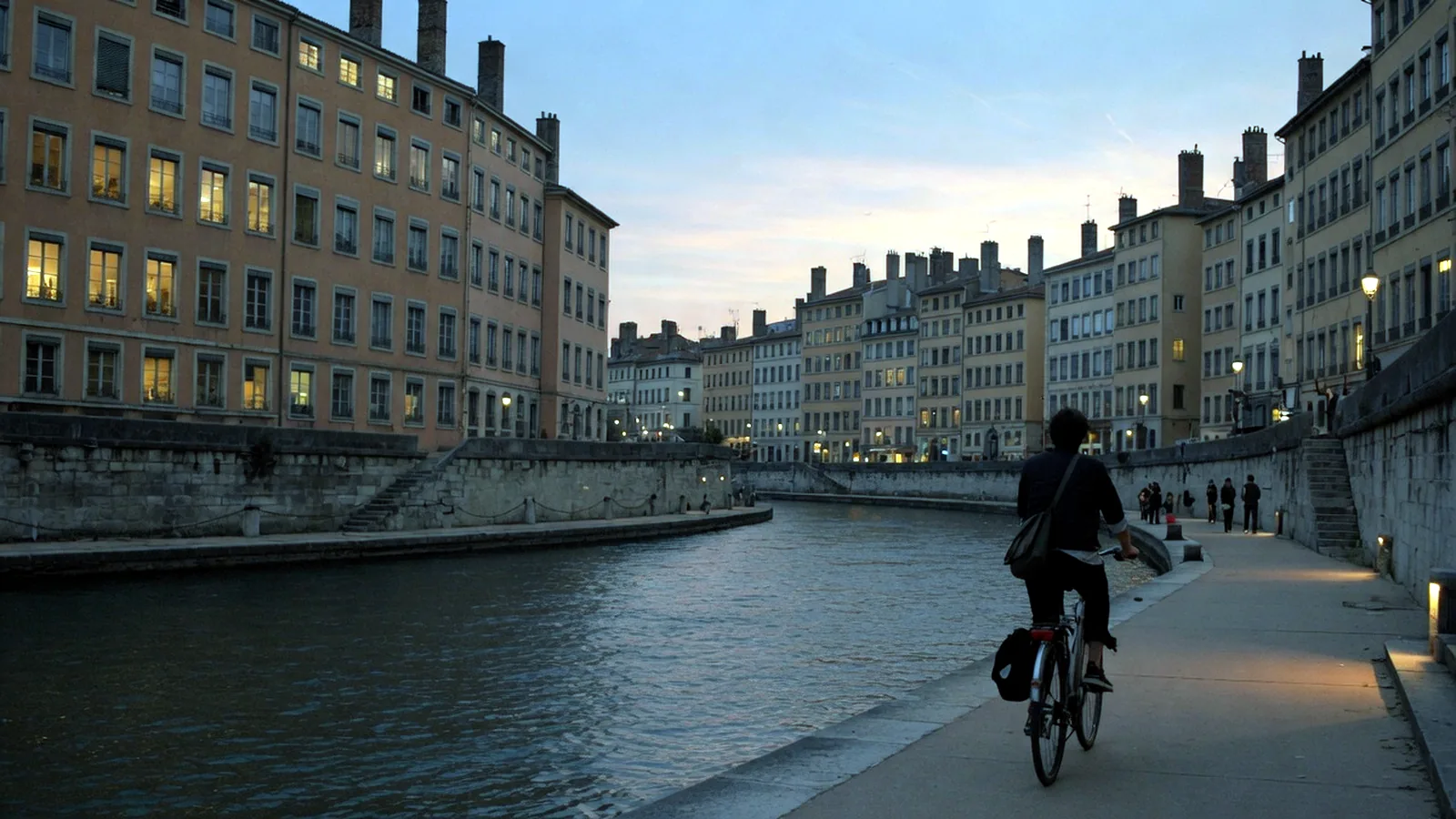
France did not invent the bicycle, but it invented bicycle racing as a spectacle. The Tour de France, first run in 1903, is the most-watched annual sporting event in the world by roadside spectators (approximately 12 million line the route each year). It is also the most gruelling: three weeks, 3,500+ kilometres, mountain passes that reduce professional athletes to crawling pace. The Tour has made France's geography — the Alps, the Pyrenees, the lavender fields of Provence, the sunflower rows of the Beauce — into the world's most familiar sporting backdrop.
The Tour de France
Format and Structure
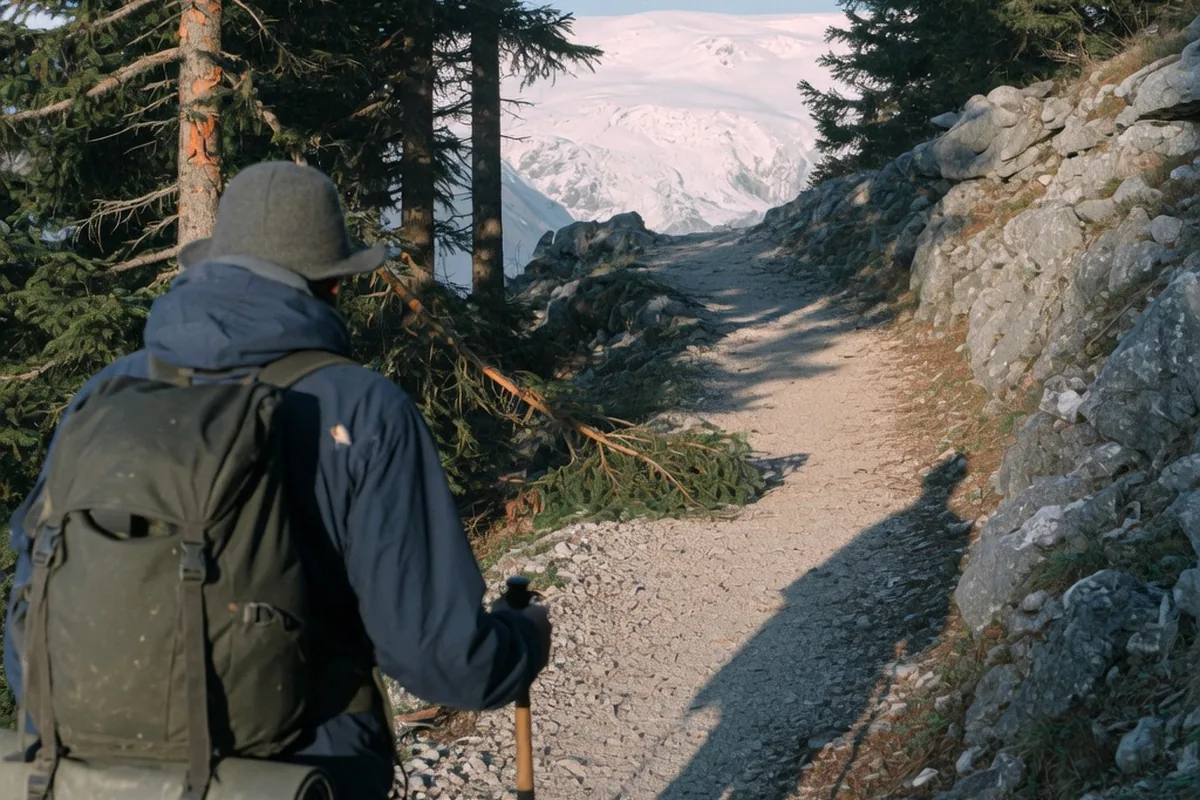
The Tour is organised by ASO (Amaury Sport Organisation), a private company that also runs Paris-Roubaix, the Vuelta a España, the Dakar Rally, and other events. The route changes annually, but certain features are constant: mountain stages in the Alps and Pyrenees, a time trial, flat sprint stages, and a ceremonial final stage on the Champs-Élysées (moved to Nice in 2024 due to the Summer Games).
The Great Climbs
The Tour's identity is inseparable from its mountain stages:
- Alpe d'Huez — 21 hairpin bends, each named after a stage winner. The "Dutch mountain" (for the orange-clad fans). The most iconic climb.
- Mont Ventoux — The "Beast of Provence." Bare limestone summit, brutal exposure to wind. Where Tommy Simpson died (1967).
- Col du Tourmalet — The highest regularly used pass in the Pyrenees. Featured in the Tour since 1910.
- Col du Galibier — 2,642 metres. The roof of the Tour.
French Winners
France's drought in the Tour is a national psychodrama. The last French winner was Bernard Hinault in 1985. Since then: American (LeMond), Spanish (Indurain, Contador, Pereiro), Italian (Pantani), British (Wiggins, Froome, Thomas), Colombian (Bernal), Slovenian (Pogačar, Roglič), and Danish (Vingegaard) winners — but no French champion. The question "Pourquoi la France ne gagne plus le Tour?" is asked annually and analyzed with the seriousness of a geopolitical crisis.
The Five-Time Winners
Only four riders have won the Tour five or more times:
- Jacques Anquetil — 5 victories (1957, 1961–64). The first five-time winner.
- Eddy Merckx — 5 victories (1969–72, 1974). Belgian. The greatest cyclist of all time.
- Bernard Hinault — 5 victories (1978–79, 1981–82, 1985). The "Badger." Last French winner.
- Miguel Indurain — 5 victories (1991–95). Spanish. Dominated the 1990s.
The Professional Scene
French Teams
France has several UCI WorldTour teams: Groupama-FDJ, Cofidis, TotalEnergies, Arkéa-B&B Hotels, and Decathlon AG2R La Mondiale. French teams compete across all three Grand Tours (Tour, Giro, Vuelta) and the Monument classics.
The Monuments in France
- Paris–Roubaix — "The Hell of the North." 260 km from Compiègne to the Roubaix velodrome, featuring 55 km of cobblestone (pavé (cobblestones — the defining feature of Paris-Roubaix)) sectors. The most famous one-day race in cycling.
- Liège–Bastogne–Liège — Not French, but crosses the Ardennes border region. The oldest Monument (1892).
Recreational Cycling
The Bicycle Renaissance
Cycling as urban transport has boomed since the launch of Vélib' (Vélib' (Paris's bike-sharing scheme — a portmanteau of vélo (bicycle) and liberté (freedom))) in Paris in 2007 — one of the world's first large-scale bike-sharing systems. Other cities followed: Lyon (Vélo'v), Bordeaux, Toulouse, Strasbourg. COVID-19 accelerated the trend: temporary bike lanes installed during lockdown became permanent in many cities. Paris has added 180+ km of bike lanes since 2020.
Cycle Tourism
France has 22,800+ km of véloroutes et voies vertes (cycle routes and greenways — dedicated cycling paths across France) — dedicated cycling routes, many following rivers (Loire à Vélo, ViaRhôna), canals (Canal du Midi), or coastlines (Vélodyssée along the Atlantic). Cycle tourism generates an estimated €5 billion annually.
Track and Beyond
French track cycling is strong: the velodrome at Saint-Quentin-en-Yvelines (built for the 2024 Summer Games) is world-class. France regularly medals in international track events. BMX, mountain biking, and cyclocross also have strong French followings — the Fédération Française de Cyclisme has over 120,000 licensed members across all disciplines.
Travel & Regions — The geography of France — the mountains, coasts, and landscapes the Tour traverses.
Nature & Landscapes — The ecological diversity behind France's most famous cycling routes.
On the ground
| Pin | Working note |
|---|---|
| Page | Cycling in France: The Tour de France and Two-Wheeled Culture |
| Desk | Le Moteur |
| First use | Read the pins, then one related page — not five |
| Confirm | Official site or ticket desk the week you go |
Hours, fares, and festival weeks move. A 2024 caption is not a 2026 desk. Cycling in France: The Tour de France and Two-Wheeled Culture sits in a country that is easy to over-plan and easy to under-prepare. The sport layer is where visitors collect names. This page is the opposite: what to do first, what to skip, and which sibling guide holds the rest.
France rewards a slow unit. One arrondissement, one valley, one appellation, one park trail. The photograph of five landmarks in five days is a real holiday, and it is also a queue with a passport. If you only have three nights, spend two of them in the same bed. The third night is for a train, not a third hotel.
Working a visit
Practical France is sockets (Type E/F, 230 V), tap water that is safe, pharmacies that are the real clinic for minor trouble, and a lunch hour that still closes a village. Cards work in cities. Cash still opens some park kiosks, some island boats, and some market stalls that have never seen contactless. A lightweight adapter belongs in the personal item, not the hold.
We will not write as if every reader is on a gap year, or as if every reader is in a palace hotel. We will not flatten 'the south' into one climate. We will not treat a strike day, a jour férié, or a Tuesday museum closure as a personality quirk of the French. They are calendars. Check them. Then use Cycling in France: The Tour de France and Two-Wheeled Culture as a pin, not as scripture.
Cross the five guides instead of cloning them. La Porte holds trains and the first week. La Terre holds weather and park gates. L'Esprit holds museum Tuesdays and the Revolution. La Table holds the market morning and the wine list. Le Moteur holds the Tour, the working week, and why August is empty in Paris and full on the coast.