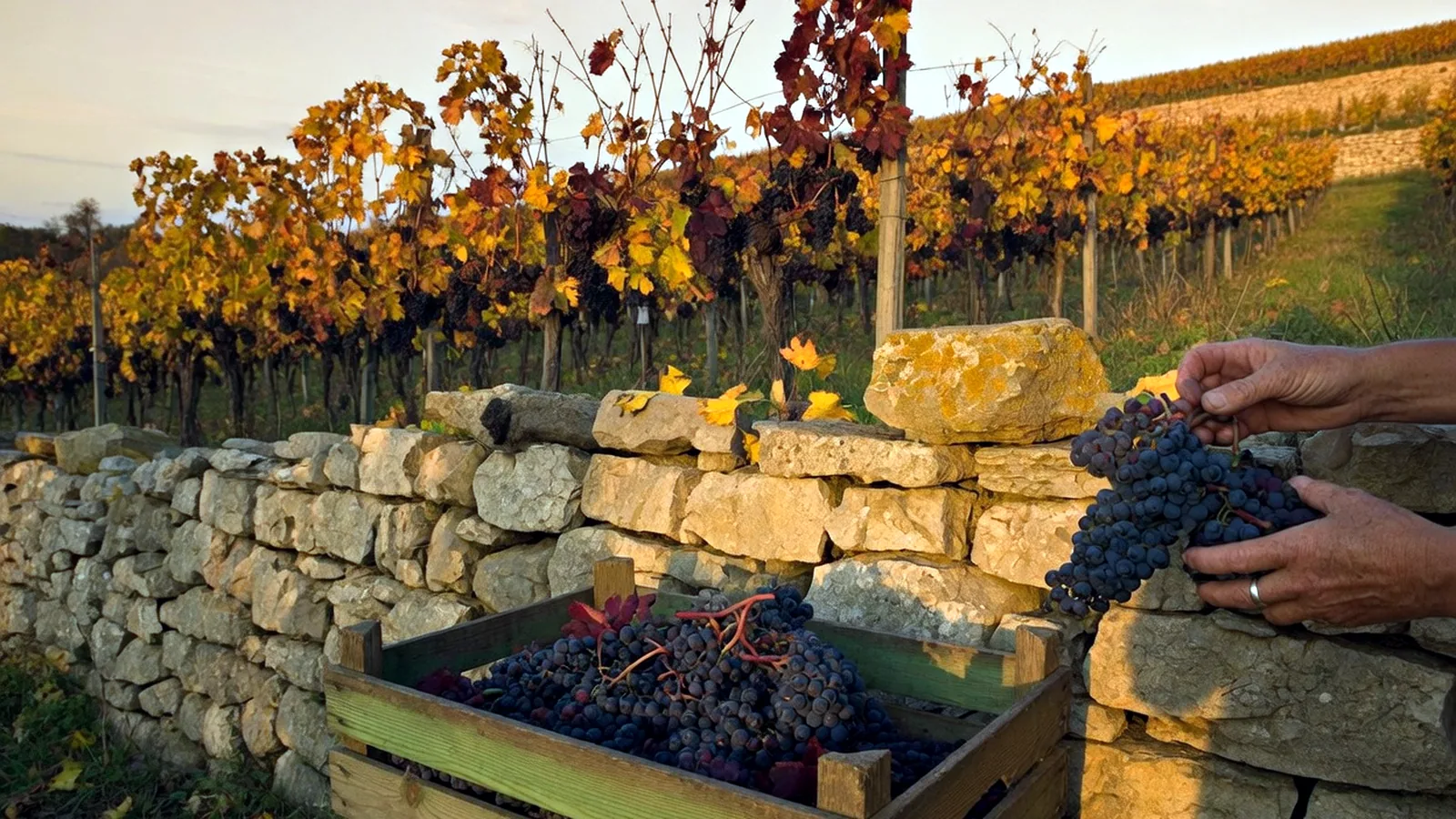
The French are obsessed with property. Becoming a propriétaire (a property owner — a milestone of French middle-class identity) is a life goal that ranks alongside a stable job, a good education for the children, and a decent bottle in the cave. Approximately 58% of French households own their primary residence — lower than the UK (65%) or Spain (76%) but treated with far more cultural weight. Property is not merely shelter or investment; it is identity, security, and — in a country where inheritance is constitutionally protected — the primary vehicle for intergenerational wealth transfer.
The Market
Prices

| French Property Prices (2025 averages) | Detail |
|---|---|
| Paris (intra-muros): ~€9,500–10,500/m² (down from a peak of ~€11,000 in 2020) | |
| Lyon: ~€4,500–5,000/m² | |
| Bordeaux: ~€4,000–4,500/m² | |
| Marseille: ~€3,000–3,500/m² | |
| Toulouse: ~€3,500–3,800/m² | |
| Nantes: ~€3,500–3,800/m² | |
| Nice: ~€4,500–5,500/m² | |
| Rural France (average): ~€1,200–1,800/m² | |
| National average (all France): ~€3,000/m² |


The Paris market dominates national attention. A 50m² apartment in central Paris — a modest two-bedroom — costs approximately €475,000–525,000. In the 6th or 7th arrondissement, prices exceed €15,000/m². In the banlieues (suburbs), prices drop sharply — Saint-Denis averages ~€3,500/m², barely a third of central Paris.
Regional Variation
France's property market is among the most geographically polarised in Europe:
- Côte d'Azur and Alpine ski resorts — Among the most expensive property in Europe. Cannes, Saint-Tropez, Megève, and Courchevel command Paris-level prices.
- Brittany, Normandy, and the Atlantic coast — Strong second-home markets driven by Parisian buyers.
- The "diagonal of void" — A swath of central France from the northeast to the southwest (roughly Meuse to Gers) with low population density, declining towns, and property prices under €1,000/m². A village house in the Creuse or Cantal can cost less than a parking space in Paris.
How Property Works in France
The Notaire
All French property transactions pass through a notaire (a licensed legal officer who handles property transactions, inheritances, and contracts — distinct from a solicitor). The notaire is a legal officer appointed by the state (not a private lawyer) who drafts the deed, registers the sale, and collects taxes. Both buyer and seller may use the same notaire (this is not a conflict of interest in the French system). The notaire's fees — approximately 7–8% of the purchase price for existing properties, ~3% for new-builds — are paid by the buyer and include transaction taxes.
The Buying Process
- Make an offer — Usually through an estate agent (agent immobilier (estate agent)).
- Sign the compromis de vente — A binding preliminary contract, signed within weeks of offer acceptance. The buyer pays a 10% deposit. A 10-day cooling-off period allows the buyer (only the buyer) to withdraw without penalty.
- Obtain financing — Typically 2–3 months. The compromis includes a condition suspensive (a suspensive condition — the sale is conditional on the buyer obtaining a mortgage) for financing.
- Sign the acte authentique — The final deed, signed at the notaire's office. Keys are handed over. Champagne may be opened.
Mortgages
French mortgages differ from Anglo-Saxon equivalents:
- Fixed rates dominate. Approximately 95% of French mortgages are fixed-rate for the entire term (15, 20, or 25 years). Variable rates are rare. This protects borrowers from interest-rate shocks.
- Strict borrowing limits. French banks generally limit mortgage payments to 35% of net household income. This is a regulatory requirement, not a guideline. It prevents over-leveraging but also limits purchasing power.
- Mortgage insurance (assurance emprunteur (borrower's insurance — mandatory for French mortgages, covering death and disability)) is mandatory and adds approximately 0.1–0.5% to the effective rate.
- Rates: Following the ECB's rate increases, French mortgage rates rose from historic lows of ~1% (2021) to approximately 3.5–4% (2025).
Renting
The Rental Market
Approximately 40% of French households rent. The rental market is heavily regulated:
- Rent controls: Paris and other zones tendues (tense zones — areas with housing supply shortages) have rent caps (encadrement des loyers (rent control/capping)). New leases must not exceed a reference rent set by the local prefecture, plus a limited premium.
- Tenant protections: French law strongly favours tenants. Eviction is extremely difficult and slow (minimum 3-year process). Evictions are legally prohibited during the trêve hivernale (winter truce — the period from 1 November to 31 March during which evictions are paused) (November to March).
- Lease terms: Standard residential leases are 3 years (unfurnished) or 1 year (furnished), automatically renewing. The landlord needs specific legal grounds to refuse renewal.
Social Housing
France has one of the largest social housing sectors in Europe. Approximately 17% of housing is logement social (social/public housing — often called HLM) (HLM — habitation à loyer modéré (moderate-rent housing)). The SRU law requires municipalities with more than 3,500 inhabitants to maintain at least 20–25% social housing or face financial penalties. This ensures social mix across communities — at least in theory.
Property and Inheritance
French inheritance law is distinctive: réserve héréditaire (the forced-heirship rule — children are legally entitled to a share of the estate) ensures that children cannot be disinherited. A portion of the estate (one-half for one child, two-thirds for two, three-quarters for three or more) must pass to direct descendants. This law shapes property ownership profoundly — family homes stay in families, sometimes for generations, sometimes creating complex co-ownership situations (indivision (shared/undivided ownership — when multiple heirs co-own a property)) that can take decades to resolve.
Living in France — Practical guide to relocating — housing, administration, and settling in.
Taxation — Property taxes, the IFI wealth tax, and inheritance tax in France.