France does not merely participate in the global luxury market. It invented it, dominates it, and has structured an entire economic ecosystem around it. LVMH — the world's largest luxury conglomerate — is worth more than €300 billion, making it more valuable than most national stock markets. Hermès has a market capitalisation exceeding €200 billion. Together, France's luxury houses generate more export revenue than the country's aerospace industry.
This is not coincidence but strategy — centuries of state-supported craftsmanship, brand-building, and cultural hegemony that have made "French" synonymous with "the finest."
The Numbers

| French Luxury Industry in Figures | Detail |
|---|---|
| Global luxury market (personal goods): ~€380 billion (2025) | |
| French share: ~30% of global luxury goods production | |
| Direct employment in France: ~600,000 | |
| Annual exports: ~€70 billion (including cosmetics, perfume, fashion, leather, wine & spirits) | |
| Largest company: LVMH (revenue: ~€87 billion) | |
| Number of French luxury maisons: ~180 members of the Comité Colbert (the industry body) |


The Big Four
LVMH (Moët Hennessy Louis Vuitton)
The colossus. Founded in 1987 by the merger of Moët Hennessy and Louis Vuitton, then aggressively expanded by Bernard Arnault (CEO and majority shareholder of LVMH — France's richest person and frequently the world's). The portfolio:
- Fashion & Leather: Louis Vuitton, Dior, Fendi, Celine, Loewe, Givenchy, Kenzo, Marc Jacobs
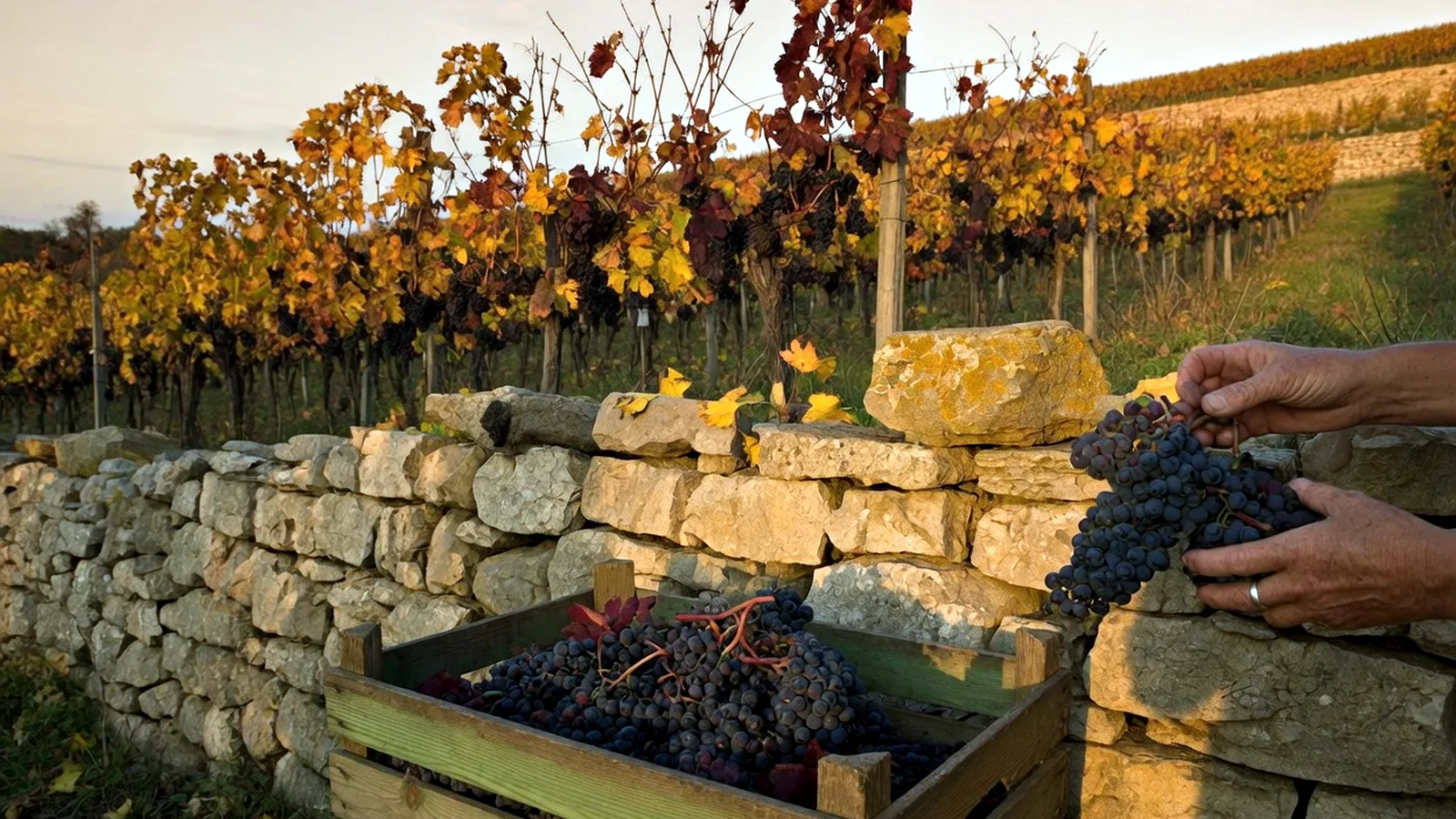
- Wine & Spirits: Moët & Chandon, Hennessy, Dom Pérignon, Veuve Clicquot, Krug, Château d'Yquem
- Perfumes & Cosmetics: Christian Dior Parfums, Guerlain, Givenchy, Fresh, Benefit
- Watches & Jewellery: Bulgari, TAG Heuer, Hublot, Chaumet, Tiffany & Co.
- Selective Retail: Sephora, Le Bon Marché, DFS
LVMH's market capitalisation makes it Europe's most valuable company and places Arnault among the world's richest individuals. Louis Vuitton alone generates estimated revenue of €25+ billion — a single brand outselling many entire countries' luxury sectors.
Hermès
The temple of exclusivity. Founded in 1837 as a harness maker, Hermès has evolved into the world's most aspirational luxury brand while remaining family-controlled (the Hermès family holds ~65%). The Birkin bag, with waiting lists that stretch for years and resale values exceeding retail, is the most famous luxury object on Earth.
Revenue: ~€14 billion. Operating margin: ~40% — the highest in luxury. The company's pricing power, control of distribution, and refusal to discount are studied as a masterclass in brand management.
Kering
The other French luxury conglomerate, controlled by the Pinault (the Pinault family — owners of Kering, rivals of the Arnault family) family. Portfolio: Gucci, Saint Laurent, Balenciaga, Bottega Veneta, Alexander McQueen, Brioni. Revenue: ~€18 billion. Kering is smaller than LVMH but highly profitable and culturally influential.
Chanel
Privately held (by the Wertheimer family), Chanel is the grande dame of French fashion: No. 5 perfume, the tweed jacket, the quilted handbag. Revenue: ~€19 billion. Chanel's refusal to go public or sell to a conglomerate makes it the last truly independent mega-brand.
The Ecosystem
The Comité Colbert
The Comité Colbert (the association of French luxury houses — named after Louis XIV's finance minister) coordinates the industry's collective interests. Its roughly 180 members span fashion, wine, hospitality, porcelain, crystal, and gastronomy. Named after Jean-Baptiste Colbert, Louis XIV's minister who first systematised French manufacturing excellence as a state economic strategy.
The Ateliers
Behind every luxury brand is a network of ateliers (workshops — the manufacturing facilities where luxury goods are handcrafted) — workshops employing highly skilled artisans in leatherwork, embroidery, goldsmithing, featherwork, and other métiers d'art. LVMH's Métiers d'Art division alone employs thousands of craftspeople. These skills are preserved through apprenticeships, trade schools, and the Meilleur Ouvrier de France (Best Craftsman of France — a biannual competition recognising mastery in manual trades) competition, which awards France's finest artisans a tricolour collar.
Fashion Weeks
Paris Fashion Week is the climax of the global fashion calendar. Held twice yearly (January/February for haute couture; September/October for prêt-à-porter), it generates approximately €1.2 billion in economic impact for Paris and solidifies the city's position as the global fashion capital — a position it has not ceded since the eighteenth century.
Why France?
France's dominance in luxury is not accidental. It is the product of:
- State investment in craftsmanship — From Colbert's Royal Manufactories (Gobelins tapestries, Sèvres porcelain) to modern trade schools, France has systematically invested in artisanal skills for 350 years.
- Cultural capital — Paris, French language, French art, French food, French wine — the entire cultural package creates the aspirational context in which luxury goods are desired.
- Legal protection — French trade law protects appellations, provenance, and brand heritage. The AOC/AOP system that governs wine and cheese also protects Laguiole knives, Limoges porcelain, and Calais lace.
- Intergenerational transmission — Many maisons are over 150 years old. Hermès (1837), Louis Vuitton (1854), Cartier (1847), Guerlain (1828). Longevity is the ultimate luxury credential.
French Art & Design — The cultural heritage that underpins French luxury — from the decorative arts to contemporary design.
French Brands Global — How French luxury brands conquered global markets.
On the ground
| Pin | Working note |
|---|---|
| Page | French Luxury & Fashion: The World's Most Valuable Industry |
| Desk | Le Moteur |
| First use | Read the pins, then one related page — not five |
| Confirm | Official site or ticket desk the week you go |
French Luxury & Fashion: The World's Most Valuable Industry is a working page on Le Moteur, not a souvenir. Use it with the week you travel. French Luxury & Fashion: The World's Most Valuable Industry sits in a country that is easy to over-plan and easy to under-prepare. The industries layer is where visitors collect names. This page is the opposite: what to do first, what to skip, and which sibling guide holds the rest.
France rewards a slow unit. One arrondissement, one valley, one appellation, one park trail. The photograph of five landmarks in five days is a real holiday, and it is also a queue with a passport. If you only have three nights, spend two of them in the same bed. The third night is for a train, not a third hotel.
Working a visit
Practical France is sockets (Type E/F, 230 V), tap water that is safe, pharmacies that are the real clinic for minor trouble, and a lunch hour that still closes a village. Cards work in cities. Cash still opens some park kiosks, some island boats, and some market stalls that have never seen contactless. A lightweight adapter belongs in the personal item, not the hold.
We will not write as if every reader is on a gap year, or as if every reader is in a palace hotel. We will not flatten 'the south' into one climate. We will not treat a strike day, a jour férié, or a Tuesday museum closure as a personality quirk of the French. They are calendars. Check them. Then use French Luxury & Fashion: The World's Most Valuable Industry as a pin, not as scripture.
Cross the five guides instead of cloning them. La Porte holds trains and the first week. La Terre holds weather and park gates. L'Esprit holds museum Tuesdays and the Revolution. La Table holds the market morning and the wine list. Le Moteur holds the Tour, the working week, and why August is empty in Paris and full on the coast.